#2 - Compliant AI deployment and protecting your kids from online abuse
Issue #2: EDIH summit in Brussels designed to help us move from AI regulation to real-world deployment - and how to protect our kids from the darker side of AI-generated media.


Happy Sunday!
I am so glad you are here for today’s issue, because we are tackling some big, essential themes. If you are new here, this is a weekly space where I explore the real-world impact of the AI technology - from high-level tech policy, responsible AI development and implementation tips to practical digital safety and literacy at home.
This week, we start with a look at the upcoming EDIH Summit in Brussels, where the conversation is finally shifting from AI regulation to real-world deployment.
But we are also pivoting to a crucial conversation every parent and educator needs to have right now: how to protect our kids from the darker side of synthetic media without living in fear.
Let’s look at how we can build resilience both in the economy and in our homes.
From policy to production: the EU’s EDIH Summit tackles AI execution
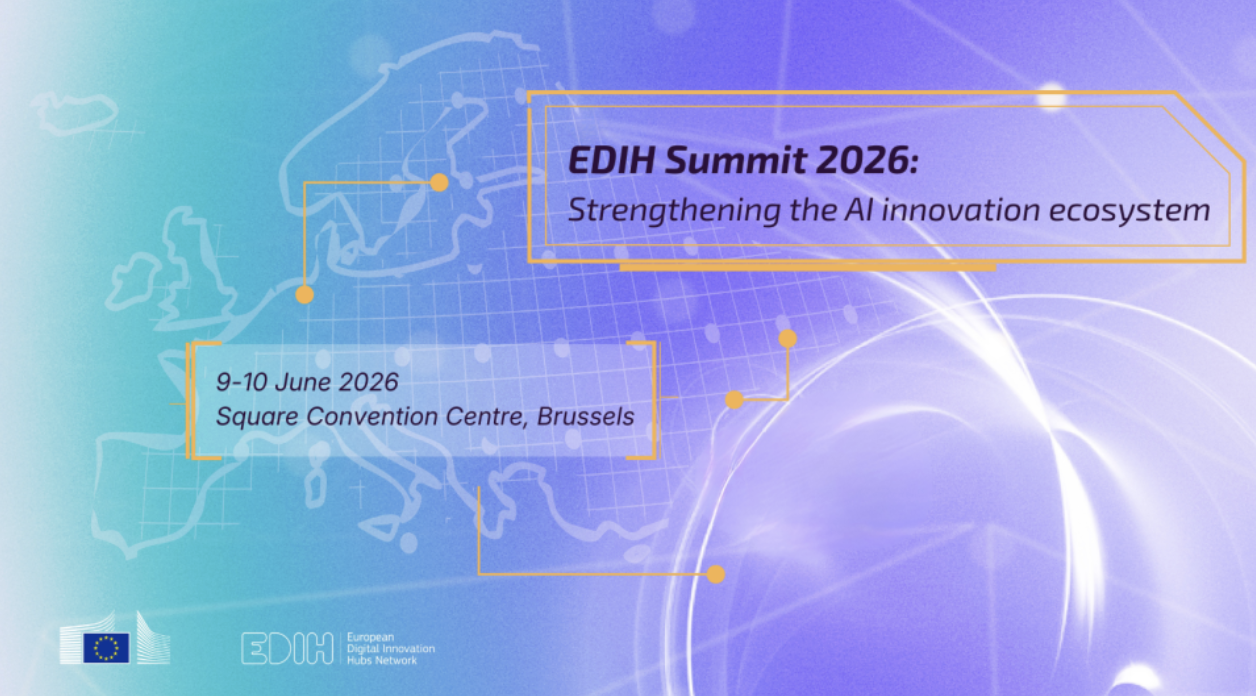
With the AI Act officially in force, Europe’s focus has shifted from regulation to practical execution. Next week (June 9–10, 2026), the European Commission hosts the flagship EDIH Summit 2026 (Brussels & Online), dedicated to moving SMEs and public sectors from tech curiosity to fully compliant AI deployment. The 3 core themes to watch: how to operationalise the guardrails using AI regulatory sandboxes and Testing and Experimentation Facilities (TEFs) to stress-test high-risk models, how to prepare an AI-ready workforce, and how to adapt governance structures to agentic AI systems.
Who is it for?
- AI governance and tech consultants (to gain direct, boots-on-the-ground blueprints for operationalizing compliance frameworks)
- Policy makers and innovation architects (to see how public funding translates into regional economic impact via infrastructure like AI Factories)
- SME and public sector leaders (to access subsidized pathways, funding tracks, and practical deployment support)
Register or view the full agenda here.

NIST AI Risk Management Framework - Decoding Map 3.1
Today, we move to the next milestone: Map 3.1: "Potential benefits of intended AI system functionality and performance are examined and documented." Do you have it covered? Make sure you are building and implementing AI systems for the ecosystem, not for the lab - my new article on NIST AI RMF provides practical tips to do so.
 Katya Kamlovskaya
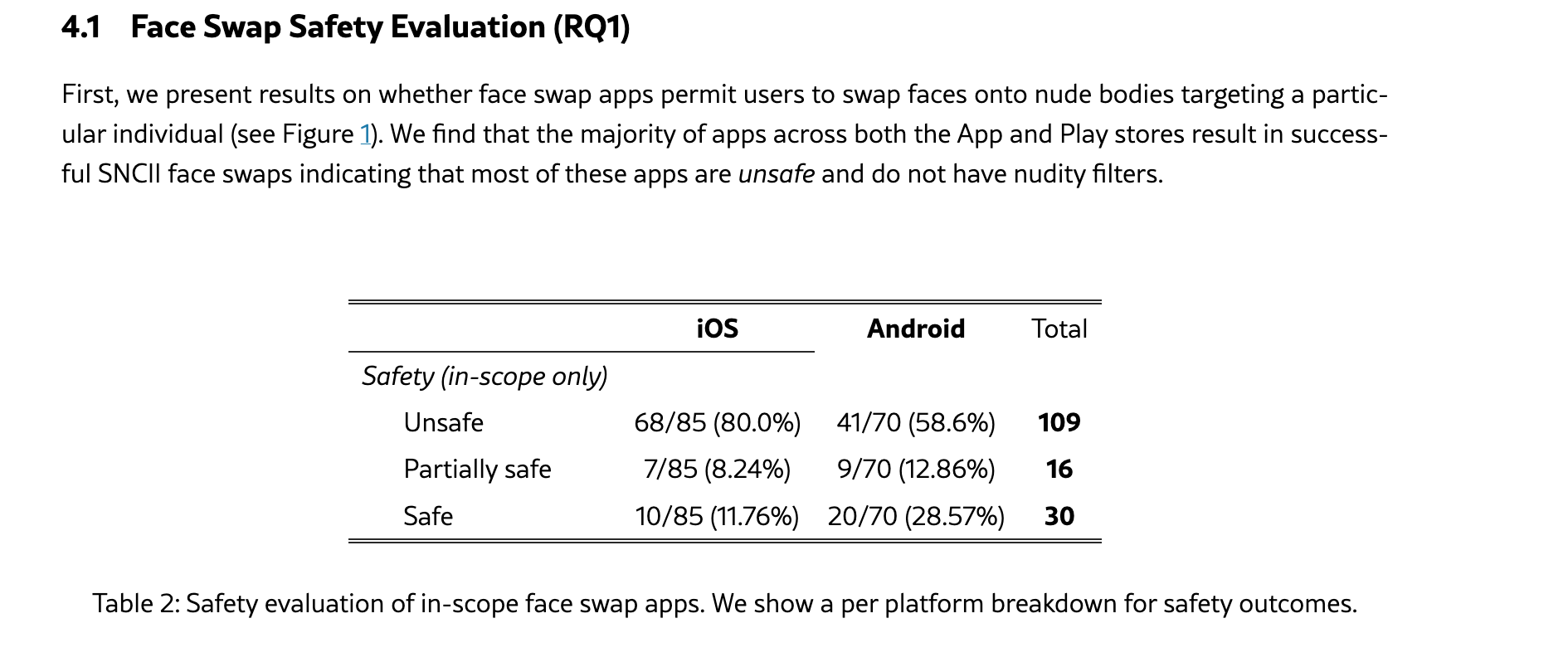
Protect your family from online child abuse
Online safety of your children is a number one concern - there is an increase in
- nudification tools (which use AI to strip or alter clothing from normal photographs)
- highly realistic synthetic media
 Inês Trindade Pereira
These tools require ZERO technical skill.
What can we parents and educators do to safeguard our kids' digital footprints and build proactive resilience?
1. Audit your social media privacy settings and followers lists
This is a reminder for parents who post their kids photos online without any audience restrictions
- your first line of defense is reducing the public availability of high-quality photos of children
- remind extended family members of the "no public posting" boundary so that photos are not inadvertently shared to open profiles.
if you do post family photo updates, opt for photos where children's faces are partially obscured, turned away, or taken from a distance: high-resolution, well-lit portraits are the easiest for "nudification" and face-swapping algorithms to exploit.
2. Implement practical tech guardrails at home
Standard parental controls protect against consuming bad content, but newer tools must address the creation and manipulation of media.
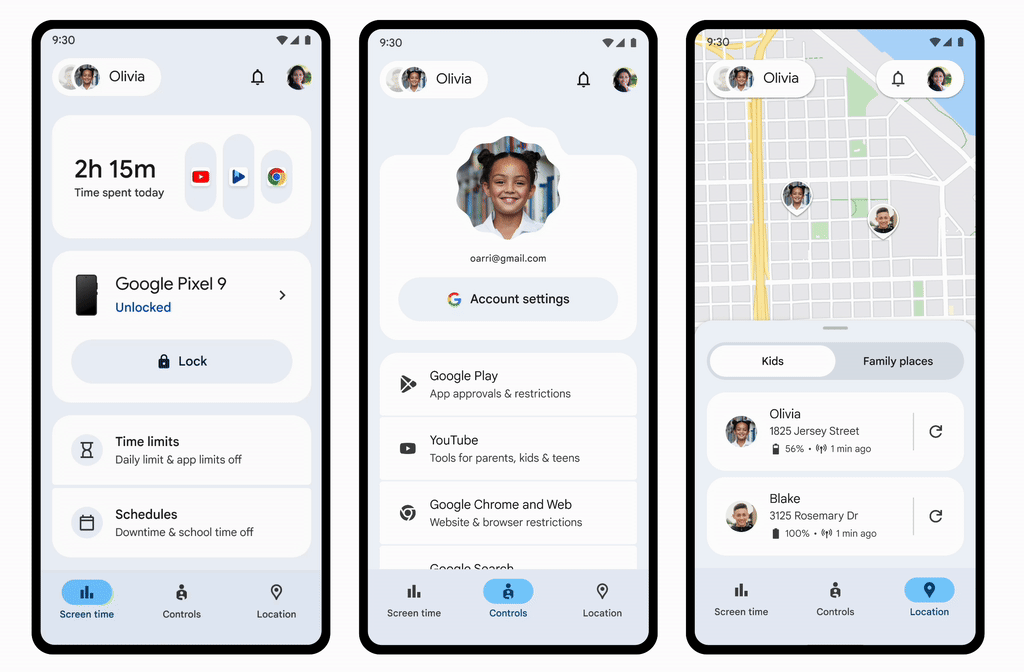
- Audit installed applications: check devices regularly for specialised photo-editing, "AI styling," or face-swapping apps. Many malicious capabilities are hidden inside seemingly innocent novelty filter apps available on standard app stores.
- Enforce strict App Store permissions: use family management tools (like Google Family Link or Apple Screen Time) to ensure that children cannot download any new applications without explicit parental approval and review.
3. Open communication and digital literacy
Children are increasingly aware of these risks. Recent studies show that a significant percentage of minors worry about their likenesses being faked online. Open, non-alarmist communication is vital.
- Explain deepfakes conceptually: frame the discussion around media literacy. Teach children that "AI can make fakes of anything now - including people we know." This demystifies the technology and reduces the shock value if they ever encounter something suspicious.
- The "consent first" rule for photos: teach children to ask permission before taking or sharing a photo of a friend, and to expect the same in return. Normalising image boundaries early helps them recognise when a boundary has been crossed by someone else.
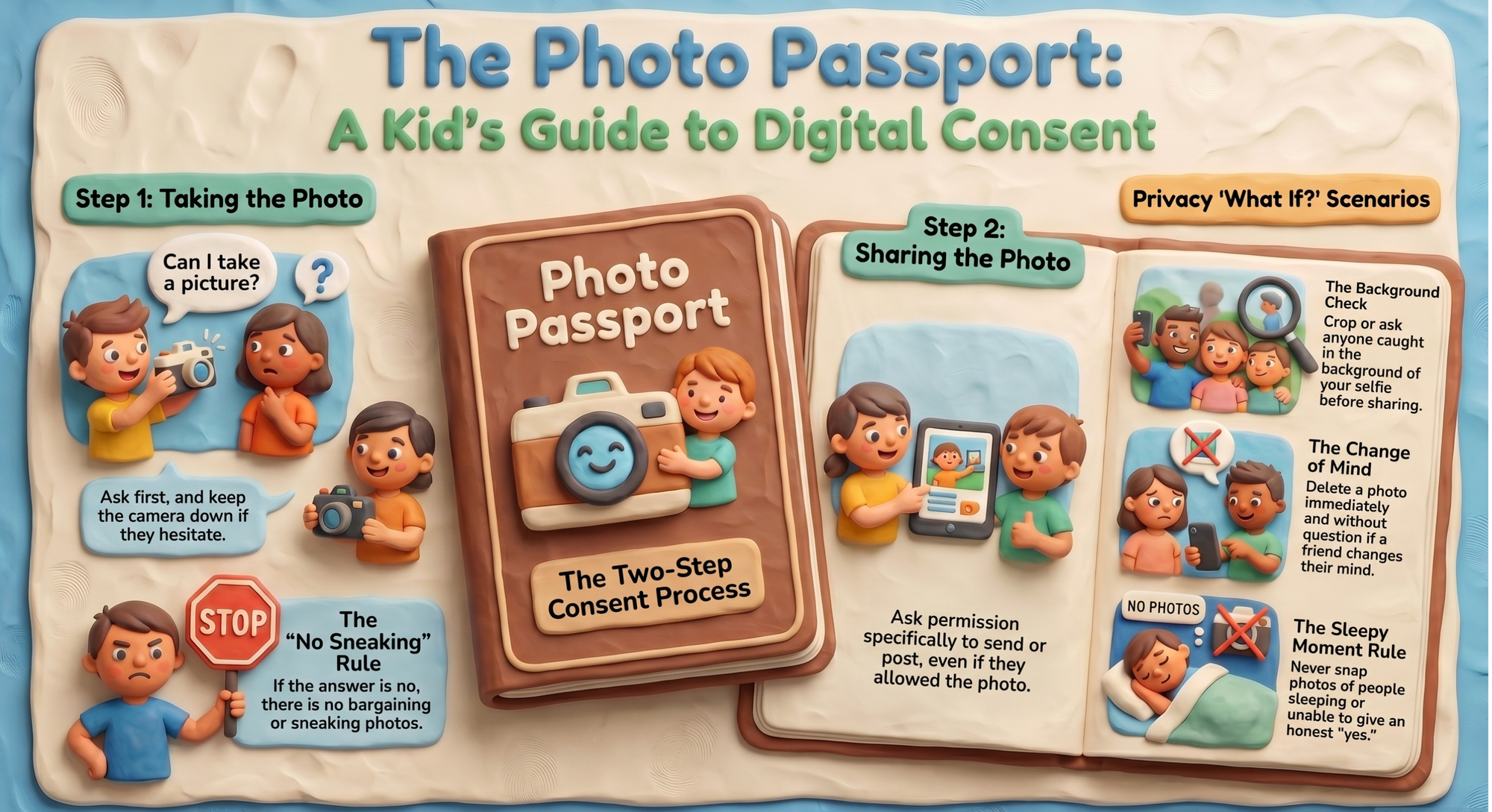
The photo consent script for kids (and grown-ups!)
Reframe privacy not as a boring restriction, but as a form of digital manners and respect. It establishes early on that a person's image belongs to them, not to the person holding the camera.
Scenario 1: You're hanging out with a friend, they are doing something funny or cool, and you want to snap a picture.
- "Hey, that's awesome! Can I take a picture of that?"
If they say yes, you can snap it.
If they say no or seem unsure, the camera stays down. No bargaining or sneaking a photo.
Scenario 2: You have a great photo on your device and you want to send it to a parent, a relative, or show it to someone else.
- "I really like this picture of us. Is it okay if I send it to my mom/friend?"
A "yes" to taking a photo is not an automatic "yes" to sharing it. People have a right to control where their face goes.
FAQ
What if I am taking a selfie, but someone else is in the background making a funny face by accident?
You still need to check with them or crop them out before sharing it. They didn't choose to be in your photo.
What if my friend said yes to a photo yesterday, but today they feel embarrassed about it and ask me to delete it?
You delete it right away, no questions asked. Consent can be changed at any time.
My friend fell asleep in a funny position or has food on their face. It’s hilarious. Can I snap it?
No. If someone isn't fully awake or able to give an honest "yes," taking the photo violates the rule.
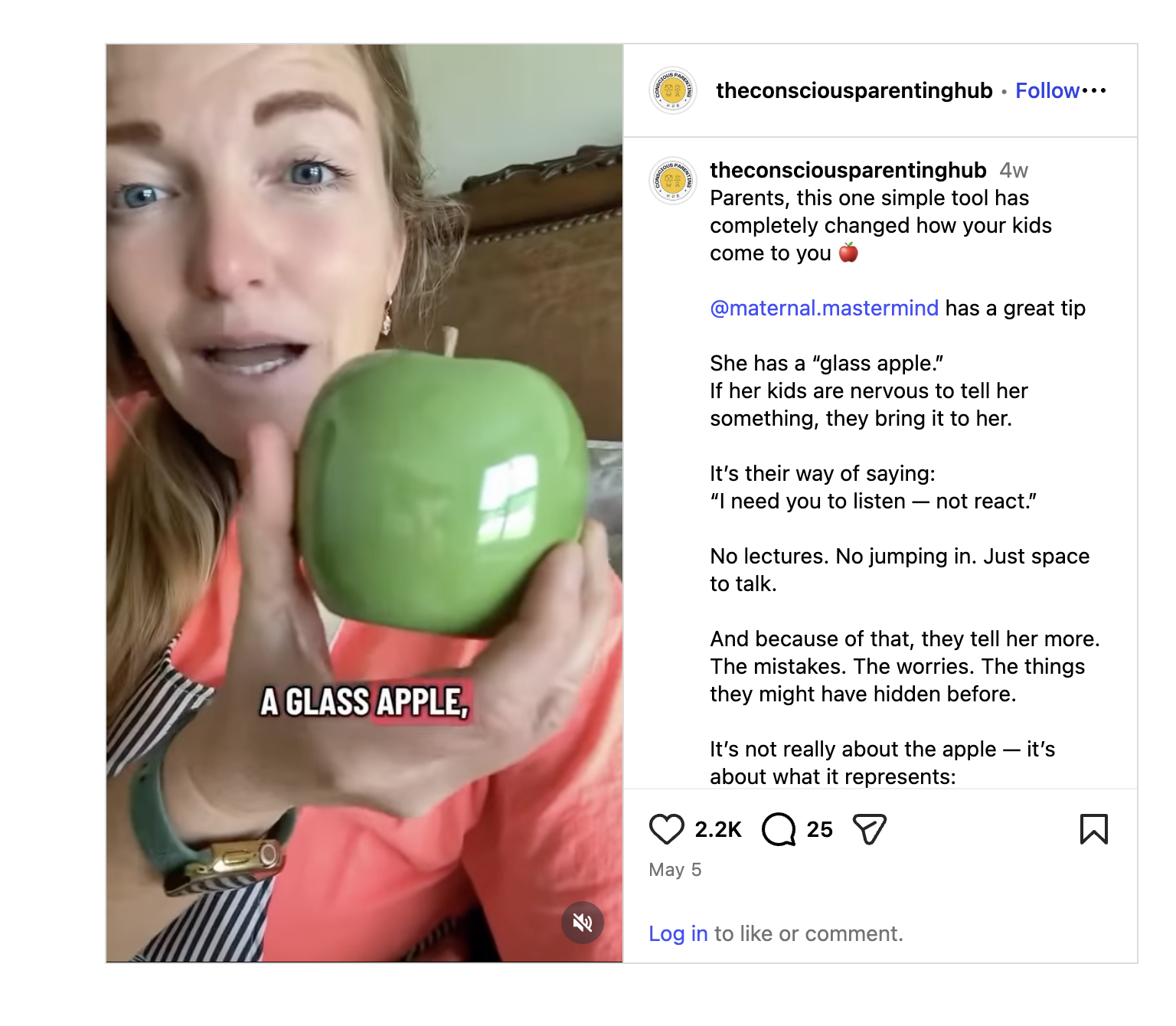
- Create a "no-blame" safety zone: explicitly assure your child that if a fake, manipulated, or uncomfortable image of them ever appears, they are the victim, not the wrongdoer. Ensure they know they can come to you immediately without fear of losing their devices or being punished.
"Young people are sharing nudes for all kinds of reasons - with people they know, and people they don’t. Those images are ending up in places they shouldn’t – with people who have no right to see them, let alone share them.
When that happens, we’re here to help".
4. Know how to respond and report
If you discover that a child's image has been manipulated, or if you encounter harmful AI-generated content online, taking swift, structured action is critical.
- Do not re-share or forward. If a harmful or manipulated image is discovered, do not send it to others (even to other parents or authorities via text/email), as distributing this material can inadvertently break the law. Instead, document the source securely (take a screenshot of the hosting URL/account name).
- Report to the Internet Watch Foundation (IWF) or INHOPE. You can report harmful material anonymously to the IWF or the INHOPE network (the global network of internet hotlines). They work directly with hosting providers and law enforcement across Europe to remove content rapidly.
- Report directly to platforms. Use the reporting infrastructure of the specific social media platform, messaging app, or search engine immediately to flag non-consensual imagery or synthetic manipulation. Under regulations like the EU's Digital Services Act (DSA), platforms face strict obligations to address illegal content once notified.
Off-duty
What I am reading
Title: Violeta (Spanish edition)
Author: Isabel Allende
Year: 2022

It is the first book I am reading in Spanish. I started on Kindle but 1/4 in bought a paper version - and unexpectedly started reading so much more. I do not look up unknown words and instead try to understand the whole paragraph from the context. In most cases, it does not impact my understanding of the storyline in general but it is much more enjoyable to just read. I am at A2 level I think (but my reading skills are at a higher level). Let's see where I get by the end of the year.
Back to the book, though - it's a pseudo-audotbiographical story following a life of a woman (and her family) throughout the whole 20th century in an unnamed South American country, told as a letter to her granddaughter. I am really enjoying it so far - and its fascinating depiction of the collective journey of women around the world throughout the century, too.
What I am listening
One of my favorite history podcasts - Empire: World History Over 300 episodes!
What I am watching
If you are looking for something to watch with your family, here is a good one:
Blue Miracle (2021) is based on the true story of Casa Hogar, a Mexican boys' orphanage on the brink of foreclosure that tries to win the world's biggest fishing tournament to help the kids survive.
Thank you for subscribing and reading along. Since I am just getting started, I would love to know: What did you think of today's issue?
Hit reply and let me know your thoughts - I read and answer every single email.
If we are now connected on LinkedIn, let's fix this!
And if you liked this issue, why not forward it to a friend? It's the highest compliment this newsletter can receive.
If you were forwarded this email, you can join the mailing list by subscribing here on the front page.
Cheers,
✨Katya✨