My Dark Vanessa
I started listening to the audiobook one night - yes, sometimes, when I wake up in the middle of the night I choose a random fiction book and slowly drift away.


Title: My Dark Vanessa
Author: Kate Elizabeth Russell
Year: 2020
I started listening to the audiobook one night - yes, sometimes, when I wake up in the middle of the night I choose a random fiction book and slowly drift away. But this one, read by an award-winning actress - Grace Gummer - captivated me so much I started reading it on Libby the morning after and could not stop.
It is a devastatingly powerful novel, a harrowing look at grooming, psychological abuse, and trauma. It is fundamentally a #MeToo novel, but it is a deeply complicated and intentionally uncomfortable one. It is also about technology, institutional power, and family dynamics as the core structures that allow that abuse to happen and persist.
Because the narrative jumps back and forth between Vanessa at age 15 and Vanessa at age 32, the tension keeps you on the hook - it is, of course, a psychological thriller.
But also - as a parent, I could not stop thinking: even though Vanessa's parents are well-meaning, invested, and deeply love their daughter, it is shocking how easily their love was bypassed by a predator. How to avoid this - especially now, in the digital age? My parents were not involved in my digital life - they mostly had no idea who I am talking online with, and I was lucky I hadn't got into any trouble. I honestly do not know if and how I would have told them if someone creepy had approached me online. I like to think I was smart enough to ignore messages from strangers but I also believe someone could have outsmarted me easily.
I was also thinking about what lessons I can learn from all this. To me, some of the lessons were these:
- We need to cultivate a deep understanding of consent and body boundaries from early age.
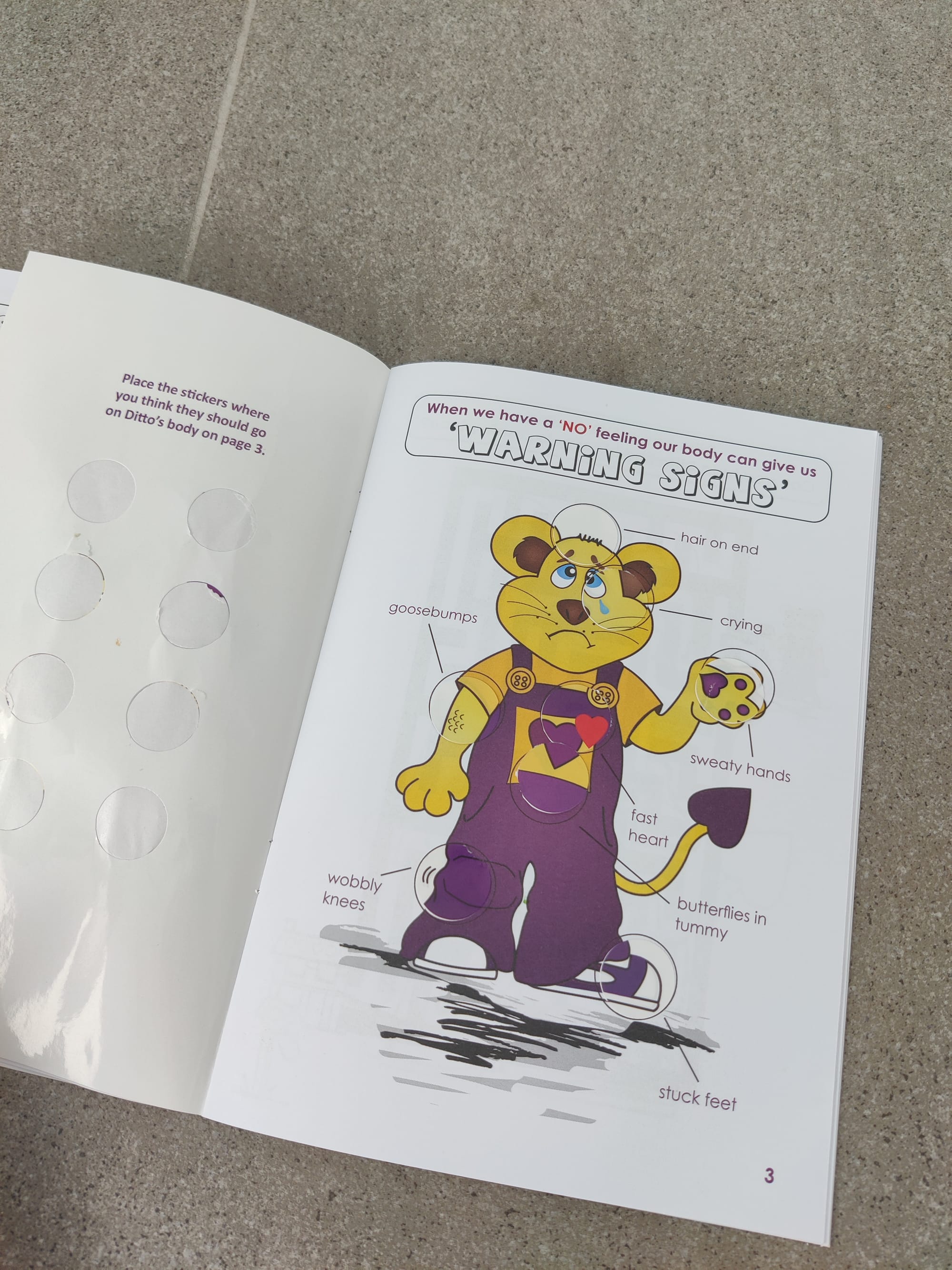
- We also need to normalize vulnerability: how likely are kids to speak up if they are targeted or harmed, given possible fear of being perceived as weak or confusion?
- There are systems that demand absolute obedience, enforce a culture of secrecy, or use "hazing" and initiation rituals disguised as team building. We need to teach our kids that loyalty to a team, a coach, or an institution never overrides their personal boundaries, physical safety, or their right to say no. And that there is a huge, critical difference between secrets and surprises.
- We parents need to educate ourselves and watch out for any signs of digital grooming - which has evolved far beyond the old cliché of a stranger in a dark chatroom pretending to be a teenager. Today, it is a highly sophisticated, psychological process that weaponizes the very architecture of the modern internet with its algorithms, gaming spaces, and encryption. This absolutely deserves a separate post - but let's please all stop pretending the Internet is safe for kids.
- Open, ongoing conversations about who kids talk online with, alongside setting healthy boundaries for device use, must be the key to being actively involved as a parent without destroying trust through any sort of spying.