Consent or manipulation?
A retail AI agent 🤖: "I've created a meal plan for the week and added 47 items to your cart totaling $287. Ready to checkout?"

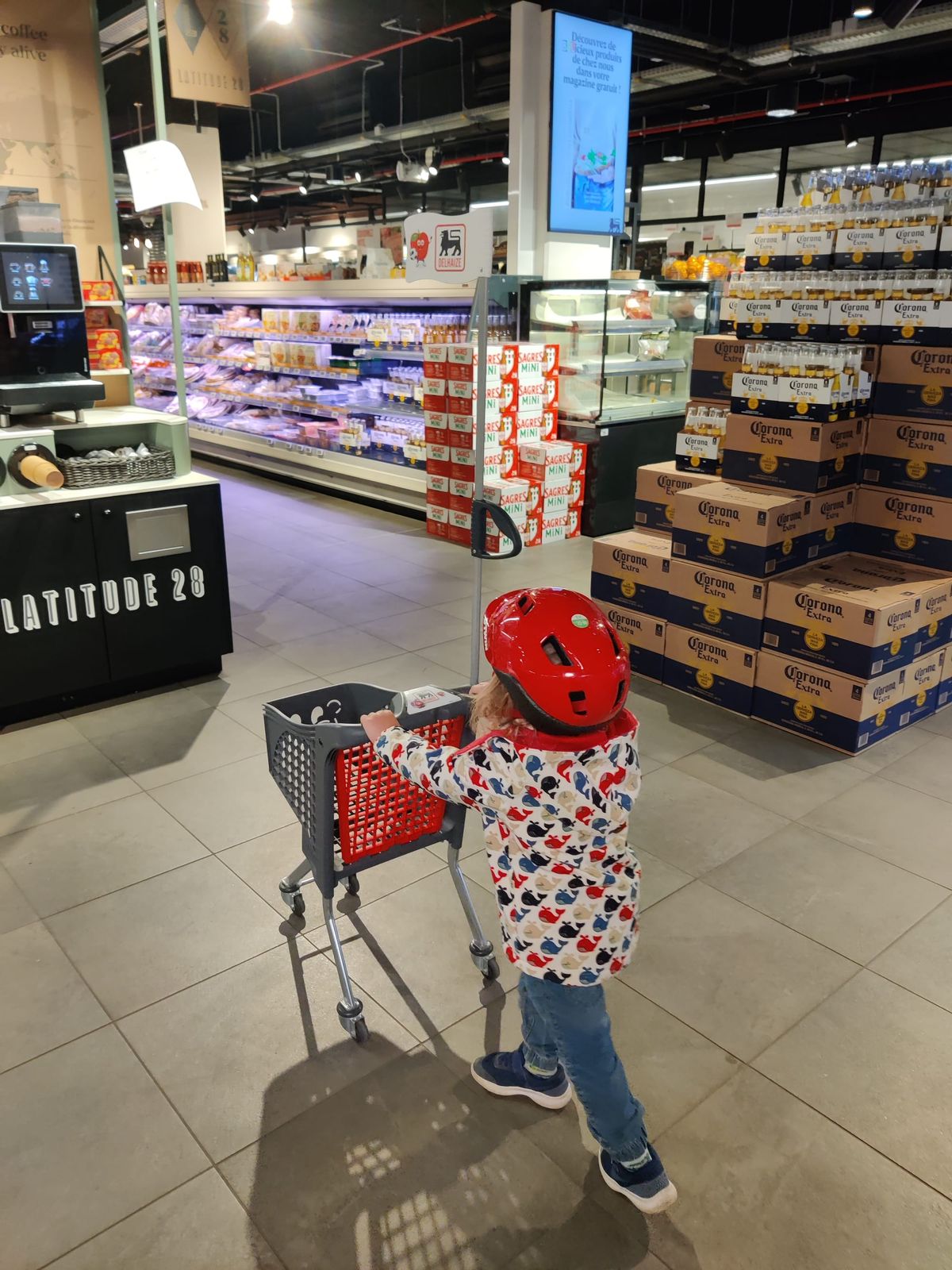
A retail AI agent 🤖: "I've created a meal plan for the week and added 47 items to your cart totaling $287. Ready to checkout?"
🙍♀️: "Uhm, ok..." /clicks "yes"
Is this genuine consent or manipulation?
Woolworths, an Australian retail giant, recently announced a collaboration with Google to enhance its existing chatbot with agentic capabilities. This has sparked important discussions about the nature of agent-human interaction in retail.
Here's the uncomfortable truth: you're very unlikely to review those 47 items.
When the interface makes it frictionless to click through, it's easier to consent than deal with the hassle.
Sound familiar? We do this with privacy policies, data security policies, user agreements...
Here are some other AI governance issues to consider:
Transparency
How are products prioritized? User preferences or profit margins? What about commercial collaborations and promotional agreements? Why these 47 items and not others?
Human agency
Does clicking "yes" represent genuine oversight? Are we creating automation bias where users trust by default? Is there meaningful ability to review, understand and challenge decisions?
Fairness
Are budget-conscious shoppers being nudged toward higher-margin products? When does a helpful suggestion cross into an exploitative dark pattern? Whose interests are truly being prioritised? What would be nice to see?
Imagine if the agent showed you this (with default settings when your preferences aren't set):
🤖 "Out of 47 items I've added, 15 are Woolworths brand (32%)"
🙍♀️ "Wait - nearly 1/3 of my cart is store brand. Let me check if I actually want these, or if the agent is pushing them to get more revenue..."
This is also a trust calibration moment: if the AI steers me toward store brands without asking my preference, what else is it optimising for that isn't my best interest?
🤖 "Total: $287 (your usual weekly spend: $265)"
🙍♀️ "I'm $22 over my normal spend... is this intentional or did the AI inflate my basket? Did I get more items, or just more expensive versions?"
🤖 "1 item is more expensive than alternatives: - Premium pasta: $5.50 (alternative: $3.20)"
🙍♀️ "Is premium pasta on sale today? If not, do I really care about it being premium at all? That's a $2.30 difference..."
Ideally, I want to understand why the agent made these choices and be given a chance to see and opt for alternatives. Without this level of transparency:
✅ User clicks "yes" (but is it really consent?)
❌ User didn't evaluate 47 items (not informed)
❌ Prioritisation logic hidden (not transparent)
❌ No comparison to alternatives (not fair)Without proper governance, which includes transparency, this is not an AI agent working for us.
It is an AI salesperson working for the retailer, pretending to be your agent.
Where should we draw the line between helpful automation and manufactured consent?
What's your take?